Schools are meant to be safe environments where students can learn and grow. However, increasing safety concerns have made it essential for institutions to take a more structured and proactive approach.
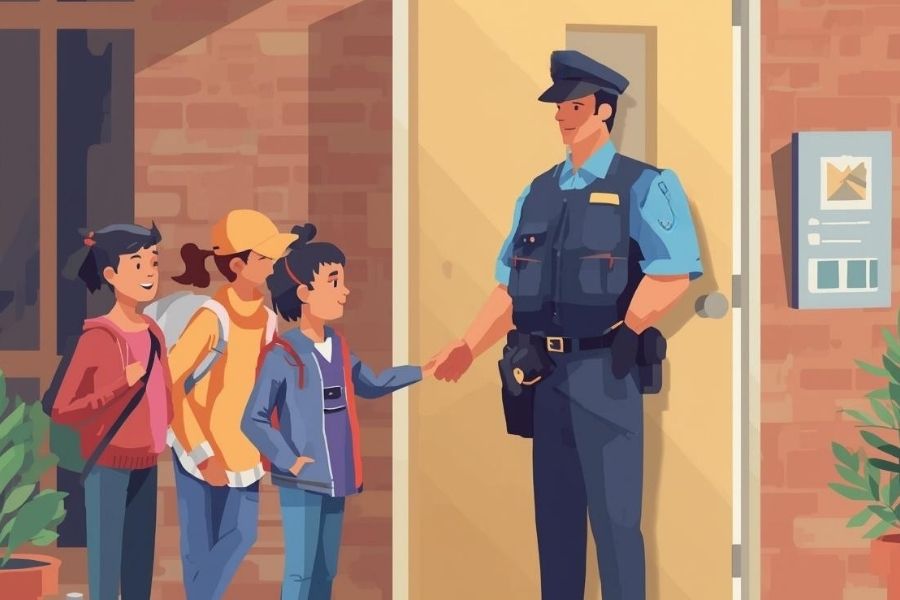
One of the most effective ways to improve safety and security for schools is by implementing a strong safety plan for schools supported by trained personnel. A security guard for schools plays a critical role in maintaining order, preventing risks, and ensuring quick response in emergencies.
In this guide, we’ll explore the key steps every school should follow to create a safer campus environment.
1. Develop a Strong Safety Plan for Schools
A well-defined safety plan is the foundation of effective school security.
Every institution should identify potential risks and prepare clear procedures to handle them.
What to Include:
- Emergency response protocols
- Evacuation procedures
- Lockdown guidelines
- Roles and responsibilities for staff
A structured safety plan for schools ensures that everyone knows what to do during critical situations, reducing confusion and response time.
2. Control Access to School Premises
Unrestricted access is one of the biggest risks in school environments.
Why It Matters:
Unauthorized individuals entering school grounds can pose serious threats.
Best Practices:
- Limit entry points to the building
- Keep doors locked during school hours
- Monitor entrances at all times
- Verify all visitors before entry
Having a security guard for schools at entry points ensures proper monitoring and immediate action if needed.
3. Strengthen School Security with Surveillance
CCTV systems are an essential part of modern school security.
Common Issue:
Installing cameras without proper monitoring reduces their effectiveness.
Best Practices:
- Install cameras at entrances, hallways, and outdoor areas
- Ensure there are no blind spots
- Monitor footage regularly
- Store recordings securely
Surveillance combined with trained personnel creates a strong security system that helps prevent incidents.
4. Train Staff and Students on Safety Procedures
Security systems are only effective when people know how to use them.
Why It Matters:
Proper training ensures quick and correct responses during emergencies.
Best Practices:
- Conduct regular safety drills (fire, evacuation, lockdown)
- Train staff on handling security situations
- Educate students about basic safety awareness
Training improves confidence and prepares everyone for real-life situations.
5. Manage Visitors Effectively
Visitor management is a key part of safety and security for schools.
Common Risk:
Allowing visitors without proper checks can compromise safety.
Best Practices:
- Require all visitors to sign in
- Issue visitor badges
- Escort visitors within the premises
- Maintain records of entries and exits
Proper visitor control reduces risks and ensures accountability.
6. Ensure Security After School Hours
Security risks do not end when the school day is over.
Evenings and weekends can expose school property to theft or vandalism.
Best Practices:
- Activate alarm systems after hours
- Secure all doors and windows
- Conduct regular patrols
- Monitor the premises consistently
A security guard for schools helps maintain safety even during off-hours by providing active monitoring.
7. Improve Lighting Across the Campus
Poor lighting increases the chances of unwanted activity.
Why It Matters:
Dark areas create opportunities for security breaches.
Best Practices:
- Install proper lighting in all key areas
- Use motion-sensor lights where needed
- Regularly maintain lighting systems
A well-lit campus enhances safety and discourages suspicious behavior.
8. Maintain Clear Communication Systems
Communication plays a critical role in managing emergencies.
Best Practices:
- Install intercom or alert systems
- Ensure quick communication between staff
- Coordinate with local authorities if needed
Effective communication helps manage situations calmly and efficiently.
9. Conduct Regular Reviews and Updates
Security is not a one-time setup—it requires continuous improvement.
Best Practices:
- Review the safety plan regularly
- Update procedures based on new risks
- Conduct drills to test preparedness
Regular updates ensure your school security system remains effective and reliable.
10. Use Professional Security Guard Services
Technology alone cannot ensure complete protection. Human presence is essential.
Why It Matters:
A trained security guard for schools provides active monitoring, quick response, and a visible deterrent to threats.
Key Benefits:
- Immediate response to incidents
- Controlled access to the campus
- Increased confidence for staff and parents
- Stronger overall safety environment
Professional security guard services add an extra layer of protection that strengthens your entire safety system.
Choose WEST GUARDS SECURITY for reasonable and affordable security guard services dedicated to protecting students, staff, and school property.
Inquire now to schedule a school security assessment and ensure complete safety for your campus.
Frequently Asked Questions (FAQ)
1. Why is a security guard for schools important?
A security guard for schools helps monitor entrances, prevent unauthorized access, and respond quickly to emergencies, ensuring a safer environment.
2. What should a safety plan for schools include?
A safety plan should include emergency procedures, evacuation plans, lockdown protocols, and clearly defined roles for staff.
3. How can schools improve safety and security?
Schools can improve safety by controlling access, installing surveillance systems, training staff, and using professional security guard services.
4. What is the role of school security?
School security involves protecting students, staff, and property by preventing risks and ensuring quick response to any incidents.