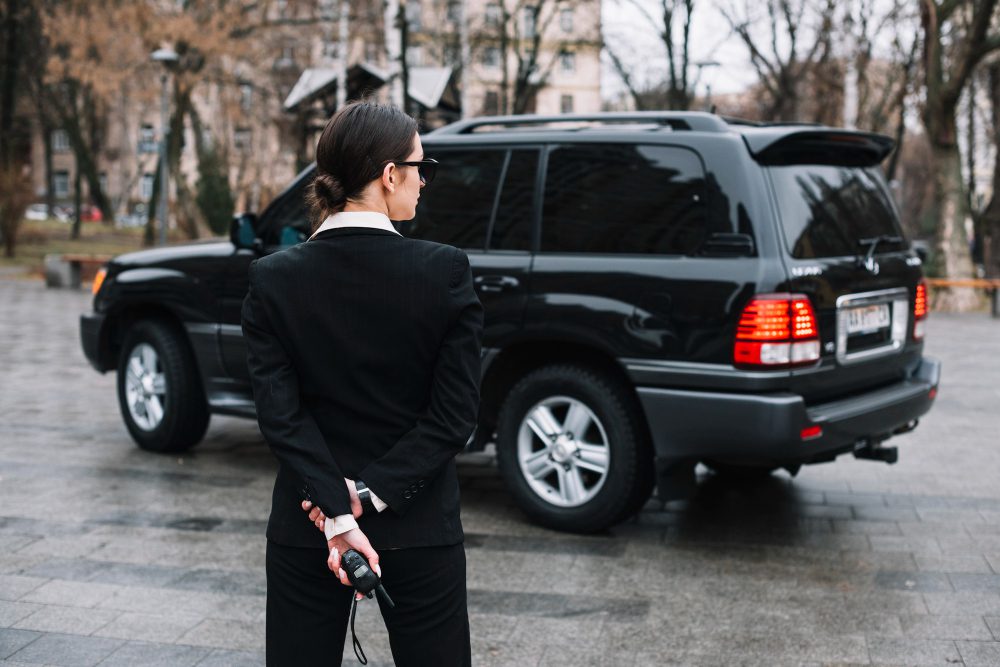
Security guards play an important role in keeping people, property, and daily operations safe. Whether they are working in a store, office building, construction site, warehouse, or residential area, their presence helps prevent crime and provides peace of mind. Many business owners know they “need security,” but they do not always understand what guards actually do. This guide explains the main security guard roles and responsibilities, and expectations of a professional security guard so you know exactly what to look for when hiring a service.
Security Guard Roles and Responsibilities
1. Maintaining a Strong Visible Presence
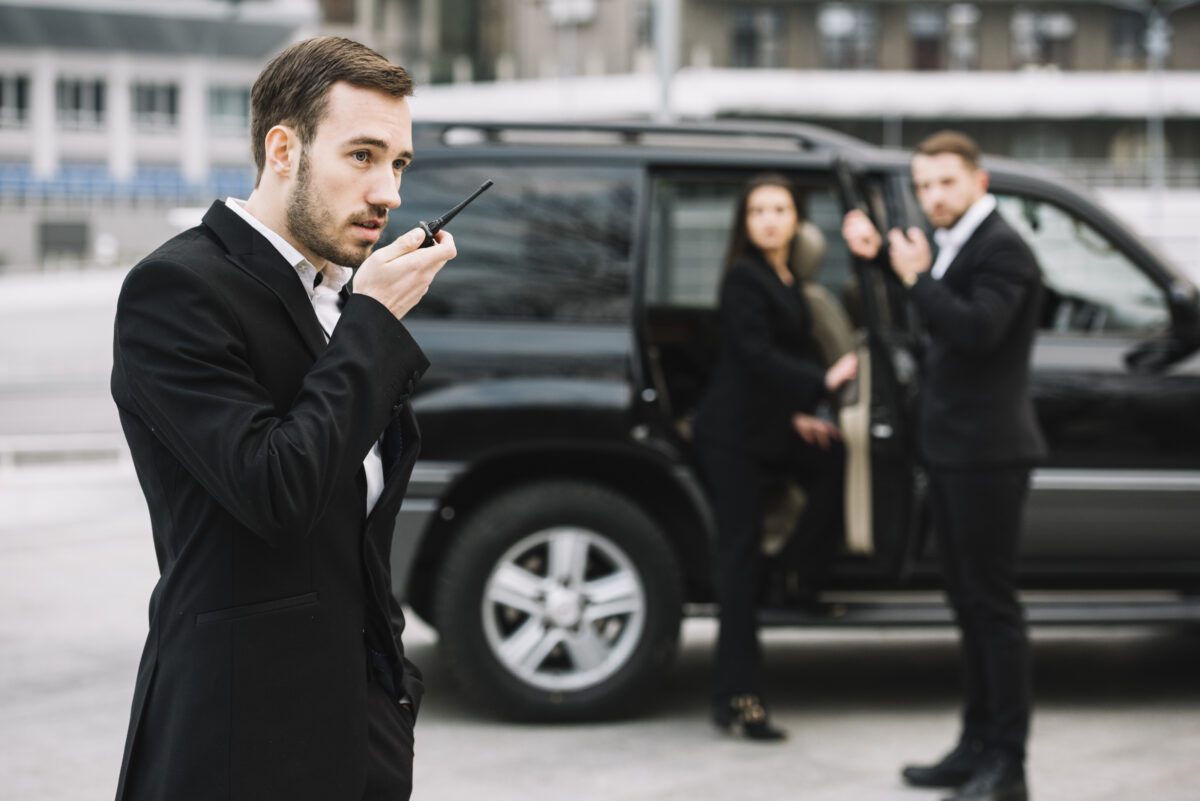
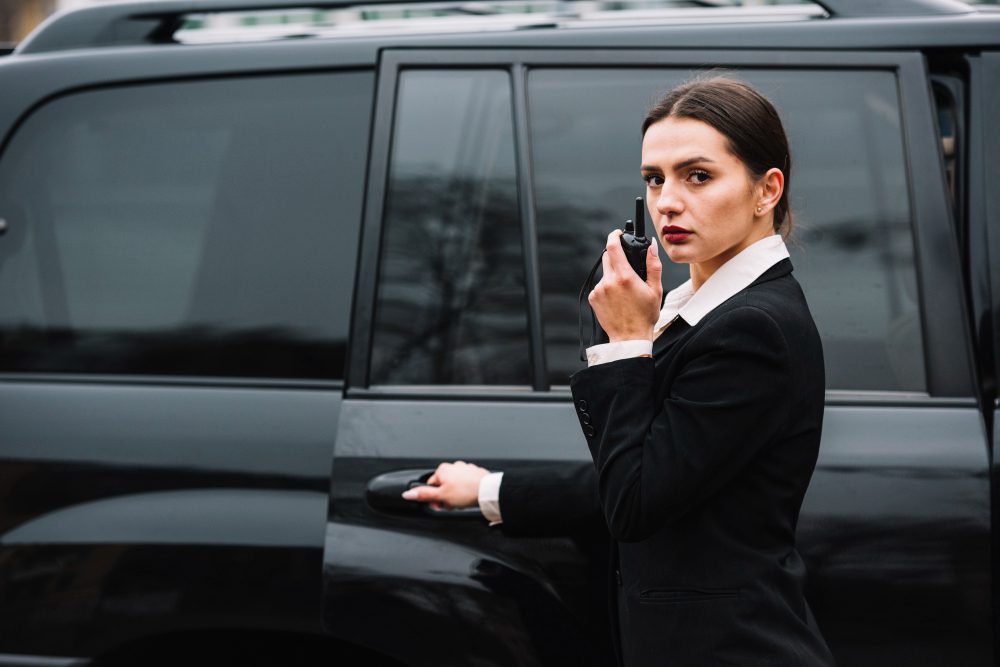
One of the most effective ways to prevent crime is simply being visible. A uniformed guard standing at an entrance, walking through a property, or patrolling the parking lot sends a strong message:
“This area is protected.”
A clear presence helps stop trespassing, theft, vandalism, and unsafe behavior before it even starts.
2. Patrolling and Monitoring the Premises
Security guards regularly move through the property to identify anything unusual. This includes:
- Checking doors, windows, and gates
- Monitoring blind spots
- Looking for suspicious activity
- Watching over vehicles and equipment
- Inspecting areas with high risk of theft or damage
Patrols can be done on foot, by vehicle, or through a mix of both, depending on the size of the site.
3. Controlling Access to the Property
A major part of a guard’s job is making sure only authorized people enter the property. Duties include:
- Checking IDs
- Logging visitors
- Monitoring access cards
- Managing contractor entries
- Preventing unauthorized individuals from entering
This is especially important for offices, industrial sites, residential buildings, medical facilities, and construction sites.
4. Responding to Emergencies
Security guards are often the first to act when something goes wrong. They are trained to respond quickly and calmly in situations such as:
- Fire alarms and safety hazards
- Medical emergencies
- Theft or attempted break-ins
- Conflicts or aggressive behavior
- Suspicious packages
- Equipment failures and risks
Their goal is to protect people, reduce danger, and contact emergency services when needed.
5. Reporting Incidents and Keeping Detailed Records
Accurate documentation is important for safety and accountability. A professional guard carefully reports:
- Incidents or unusual events
- Safety concerns
- Property damage
- Patrol logs
- Visitor records
- Time-stamped updates
These reports help business owners track what is happening on their property and take action when needed.
6. Monitoring Cameras and Security Systems
Many properties use surveillance systems to support on-site protection. Guards monitor:
- CCTV cameras
- Alarm systems
- Motion sensors
- Access control systems
- Fire panels
They respond immediately to alerts and investigate suspicious activity.
7. De-escalating Conflicts and Handling Difficult Behavior
Security guards are trained to stay calm and professional, even in stressful situations. Their role is to:
- Reduce tension
- Avoid unnecessary force
- Protect people and property
- Stop a problem from becoming dangerous
Good guards use communication and awareness to prevent situations from getting out of hand.
8. Protecting Employees, Customers, and Residents
A guard’s job is not just to watch property—it is also to keep people safe. They help create a safe environment by:
- Assisting staff with concerns
- Escorting employees to vehicles at night
- Supporting vulnerable individuals
- Helping residents with building access
- Guiding people during emergencies
Their presence makes people feel secure and supported.
9. Supporting Daily Business Operations
Guards also help with day-to-day tasks, including:
- Locking and unlocking buildings
- Checking deliveries
- Monitoring loading docks
- Assisting visitors
- Giving directions
- Reporting maintenance issues
Their support keeps operations running smoothly.
10. Acting as the Eyes and Ears of Management
Security guards often notice small problems before anyone else. By reporting safety hazards, suspicious behavior, or equipment issues early, they help prevent bigger problems. This saves businesses time, money, and stress.
What Makes a Good Security Guard?
A reliable guard should demonstrate:
- Strong awareness
- Good communication
- Professional behavior
- Punctuality
- Honesty
- Respect for people
- Calm decision-making
- Knowledge of safety procedures
These qualities ensure consistent protection and a safe environment.
Final Thoughts
Security guards do much more than stand at a door. They protect people, prevent crime, respond to emergencies, and support daily operations. Understanding their roles and responsibilities of security guards helps business owners and property managers choose the right security provider—and ensures the safety of their property.